
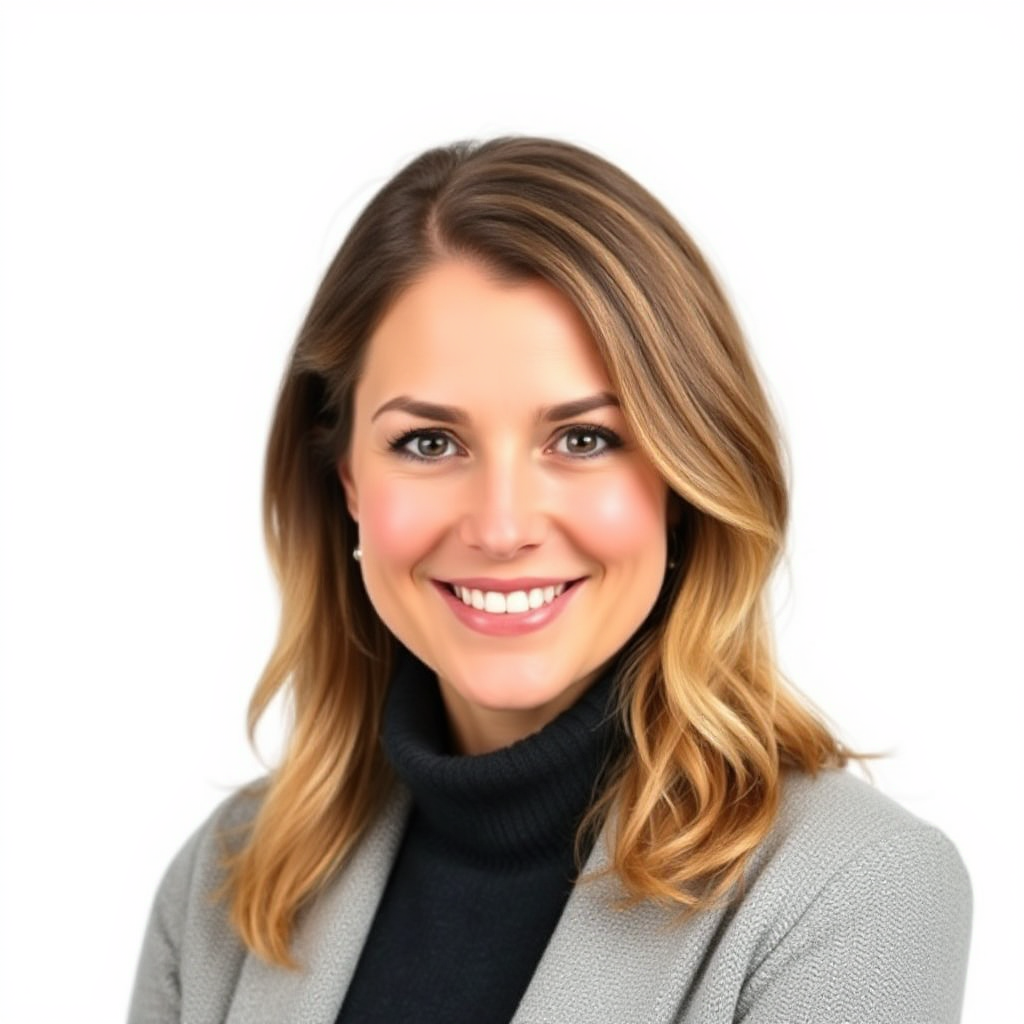

Previous Google executive Matt Brittin appointed as the BBC's incoming chief executive.
The former president of the tech giant's EMEA operations will succeed the outgoing director general, who announced his resignation in November after a row over how a BBC programme presented a address by Donald Trump.
The corporation's chairman Samir Shah stated that the appointee, who left Google in 2025 after nearly two decades, "provides the BBC extensive expertise of managing a prestigious and sophisticated entity through significant evolution".
Brittin said he "can't wait to start this role", calling it "a period of significant danger, yet also real possibility".
He noted that the country requires "a robust BBC that serves all in a complicated, volatile and rapidly evolving landscape".
Outlining his agenda, he added: "The BBC must have the momentum and energy to be both at the heart of news, and engaging with the public. To strengthen the reach, credibility and creative excellence today, tackle difficulties with courage, and succeed as a publicly-funded broadcaster suited to the coming era."
'Radical Overhaul'
Shah called Brittin "an outstanding manager" with "the capabilities necessary to steer the organisation through the myriad shifts happening in the media market and in audience habits".
The BBC chief also highlighted Brittin's "enthusiasm for the BBC, his understanding of the issues ahead of the organisation, his commitment to its impartiality and his determination to uphold the BBC's status as one of the country's key public institutions".
The new director general arrives at "a crucial time", as the UK government reviews the BBC's constitutional framework, the chairman continued.
"Undoubtedly there is a necessity for fundamental reform of the BBC, its licence fee system and the structure in which it works. The risks for the BBC, and the future of the PSB model, have never been more significant."

The corporation's top job is regarded to be one of the toughest in the UK's journalism.
During Davie's time in office as the broadcaster's 17th chief, he was tasked with handling a series of scandals and crises at the broadcaster.
His priorities will include dealing with a multi-billion defamation claim filed by the former president against the BBC.
Trump is objecting to the way the documentary spliced two parts of a speech he gave on January 6th, for which the BBC has said sorry.
Recently the corporation asked a legal body to throw out the case, stating the controversial episode was not broadcast in the US.
BBC at a Turning Point
The incoming chief steps into the role at a crucial period for the BBC in additional respects, too.
He will proceed with talks with the UK government on the corporation's constitution and the fate of the licence fee and public service budget.
The present charter, which defines the conditions and purposes of the BBC's existence, will come to an end in the near future.
His appointment also occurs at a time when the BBC is vying with tech giants in the online content market.
Google's parent company controls YouTube, with which the BBC recently announced a significant partnership to develop specially created programmes.
Corporate Background a Asset?
A number of people inside Google "speak highly" about Brittin, describing him as an charismatic manager and a excellent team player".
A number of observers have questioned the BBC's choice of someone with a career history in technology rather than editorial or traditional editorial expertise.
However, it is understood that "he was chosen by the BBC Board for his deep understanding of big tech. There's an expectation he will accelerate the acceleration to digital-first, for example in news. He'll also probably concentrate on transforming and innovating BBC iPlayer."
Ex- BBC Newsnight editor Peter Barron, who was alongside him at Google, commented he is "strongly driven by a ethos of public service".
"He is passionate about the BBC for its trusted news and its originality, but he's also very conscious of its past as a innovation leader.
"His goal is for the BBC to succeed in a climate where several of its biggest difficulties are linked to technology, whether that's the power of the streaming services, digital disinformation, or just how people wish to consume programmes.
"Considering his experience and contacts within the technology sector, and also the connections he's forged with TV networks, the journalism sector, regulators and governments, I think he's extremely well positioned to address the challenges."
Who is Matt Brittin?

Born in southern England, he obtained a qualification from the University of Cambridge, while also participating in rowing for them in the Boat Race three times.
He also raced for Britain and won|secured|earned


